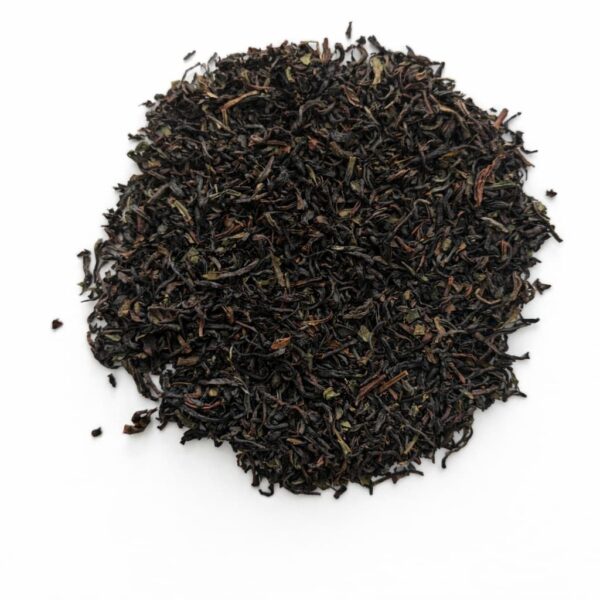
Darjeeling FTGFOP 1 Second Flush
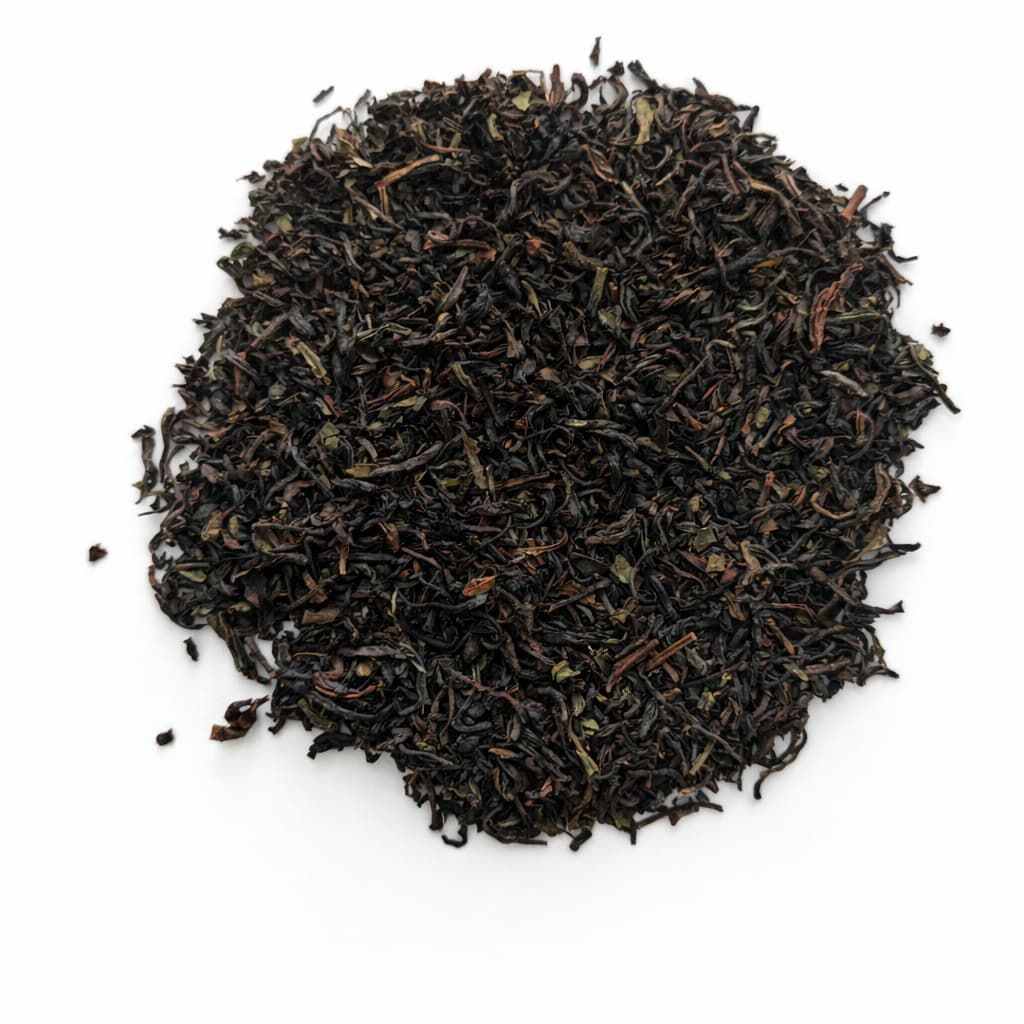
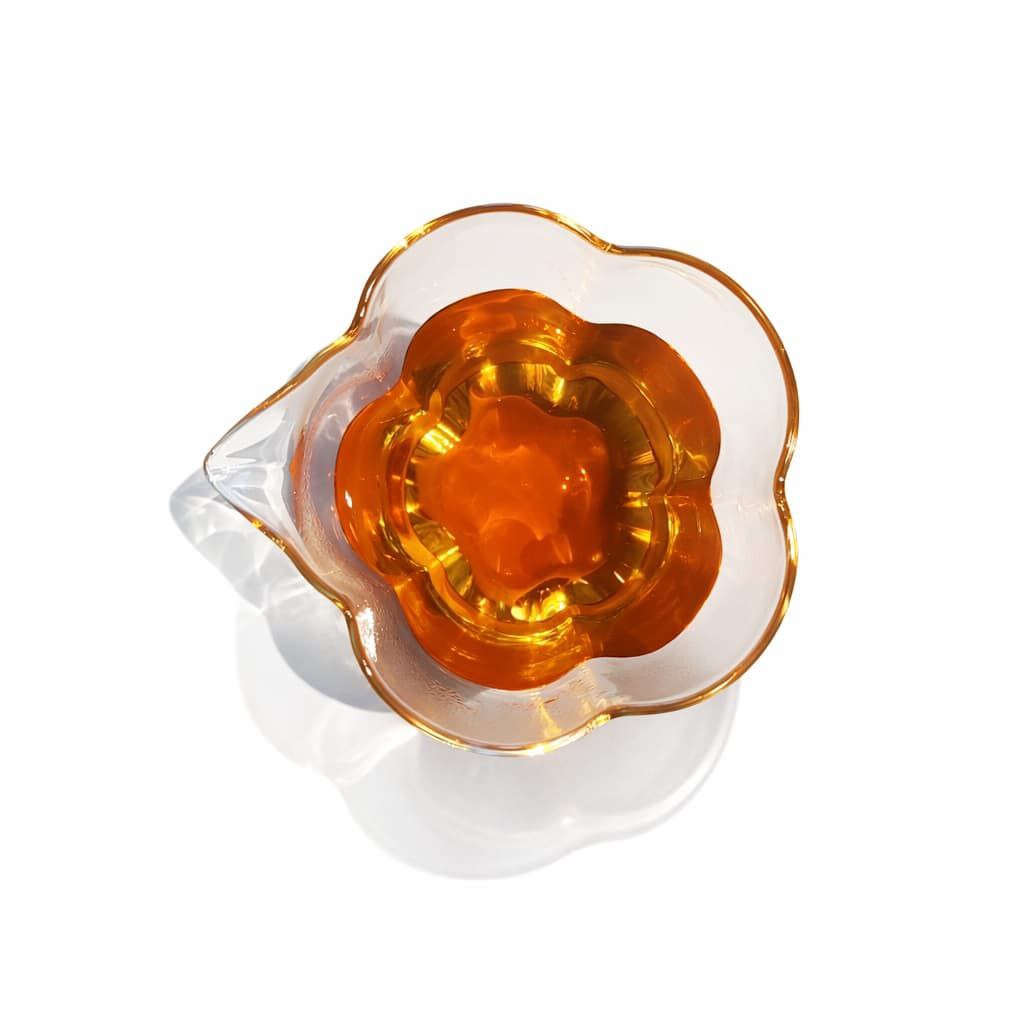
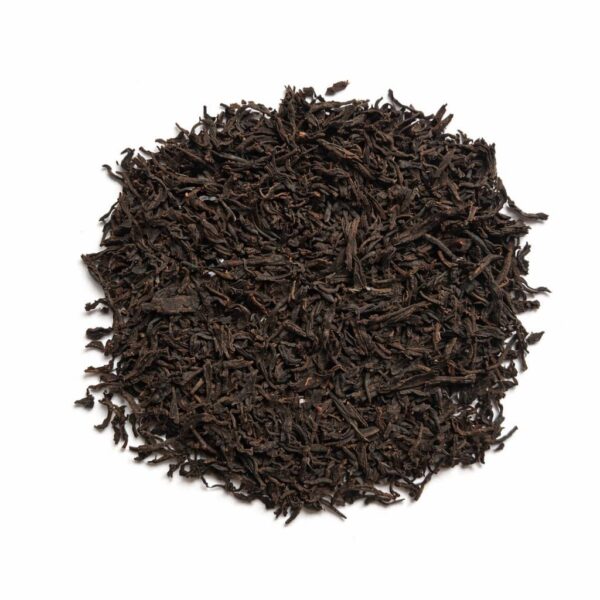
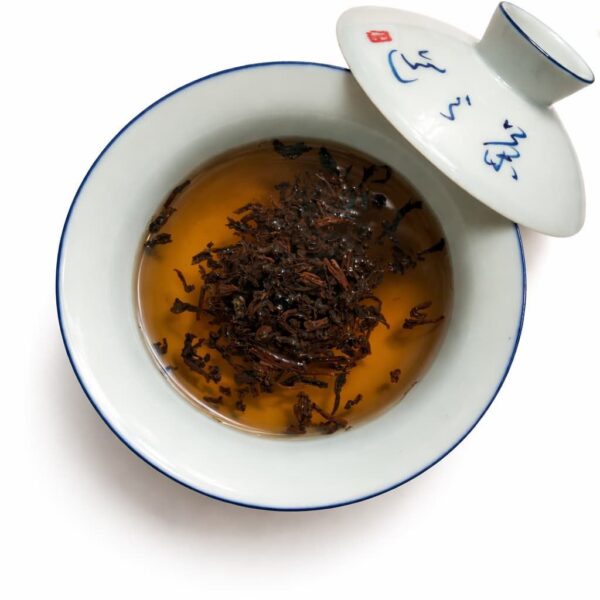
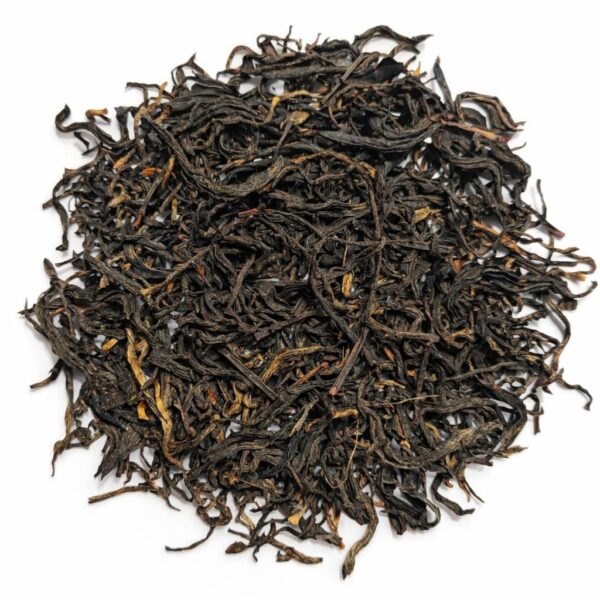
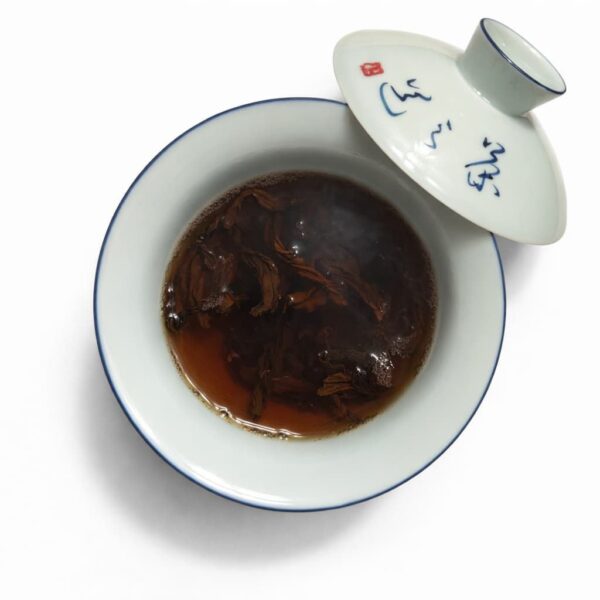
Darjeeling Second Flush – Golden Muscatel, Summer Bloom & Elegant Depth. A prestigious expression of the Himalayan highlands, harvested during the peak of the summer season. Often called the “Champagne of Teas,” this Darjeeling is celebrated for its distinctive muscatel character, refined floral aroma, and a smooth, amber-gold liquor. It is the quintessential choice for those seeking a sophisticated, uplifting, and aromatic tea experience.
-
Profile: Muscatel, Honey, Stone Fruit
-
Origin: Darjeeling, India
-
Grade: FTGFOP 1 (Fine Tippy Golden Flowery Orange Pekoe)
Price range: €1,60 through €10,00
Brewing Method
-
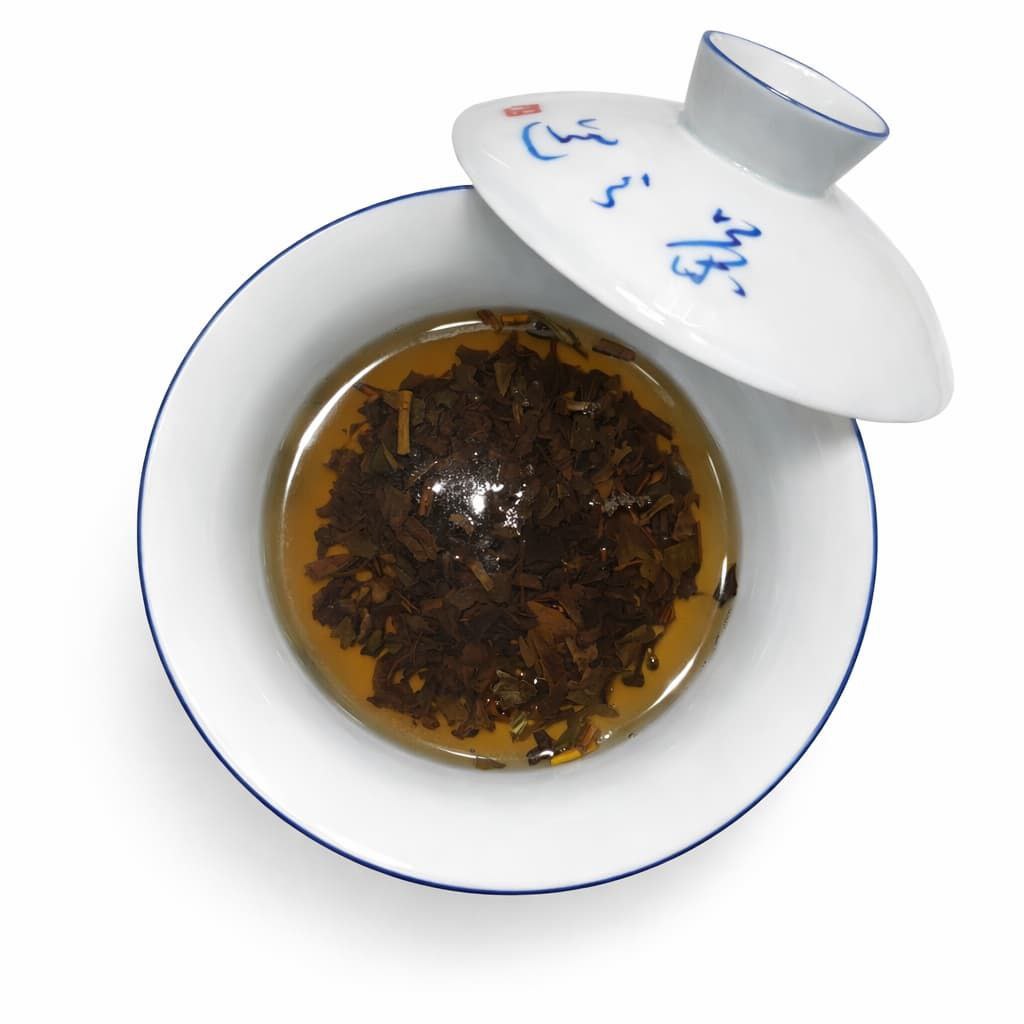
Classic: 3g per 250ml | 90-95°C | 3-4 min. Elegant and clear, revealing notes of ripe grapes and wildflower honey.
-
Gongfu: 5g per 100ml | 90°C | 20s, 25s, 35s, 50s. Accentuates the delicate floral top notes and the natural sweetness of the golden tips.
-
Cold Brew: 8g per 1L cold water. Steep for 8-10 hours. An incredibly refreshing and aromatic iced tea with zero bitterness.
FAQ
What is Darjeeling Second Flush tea?
Darjeeling Second Flush tea refers to tea harvested in the second picking season in the Darjeeling region of India, usually between May and June. This harvest is famous for its distinctive muscatel flavor and rich aroma.
What does Darjeeling Second Flush tea taste like?
Darjeeling Second Flush tea has a full-bodied flavor with fruity muscatel notes, mild sweetness, and a smooth finish. It is often considered one of the most prized black teas.
What does FTGFOP1 mean in tea?
FTGFOP1 stands for “Finest Tippy Golden Flowery Orange Pekoe Grade 1.” It indicates a high grade of loose leaf tea containing young buds and high quality leaves.
Where does Darjeeling tea come from?
Darjeeling tea comes from the Darjeeling region in the Himalayan foothills of India. The unique climate, altitude, and soil contribute to its distinctive flavor profile.
How do you brew Darjeeling black tea?
To brew Darjeeling black tea, use water heated to around 90–95°C. Add about 4–5 grams of loose leaf tea per 200 ml of water and steep for 2–3 minutes.
Does Darjeeling tea contain caffeine?
Yes, Darjeeling tea contains caffeine because it is made from the Camellia sinensis tea plant. Like most black teas, it provides a moderate caffeine level.
Why is Darjeeling tea famous?
Darjeeling tea is often called the “Champagne of teas” because of its refined aroma and unique flavor. The region produces some of the most prized black teas in the world.
Description
The Jewel of the Himalayas the Darjeeling Second Flush is the legendary summer harvest from the mist-covered gardens of West Bengal. Our FTGFOP 1 selection is crafted from young, succulent leaves and shimmering golden buds, capturing the intense energy of the summer sun. This process creates a tea that is bold yet remarkably nuanced, lacking the astringency of earlier harvests.
A Symphony of Flavors
-
Aroma: An enchanting bouquet of summer flowers, sun-ripened grapes, and a hint of wild honey.
-
Taste: Sophisticated and layered. The infusion reveals notes of muscatel wine, dried apricots, and a soft woody undertone that dances on the palate.
-
Texture: Silky, light, and “crisp.” It finishes with a clean, lingering sweetness that invites another sip.
The Perfect Afternoon Ritual
-
Afternoon Elegance: The classic choice for a midday break; it provides a steady, mental clarity without the heaviness of other black teas.
-
Mindful Companion: Exceptionally pleasant on a sunny afternoon, offering a bright and refreshing character.
-
Food Pairing: Its fruity sweetness pairs beautifully with light pastries, lemon tarts, or even mild cheeses.
Related products
-
Myanmar Black Tea
Price range: €2,50 through €16,00 This product has multiple variants. The options may be chosen on the product page -
Fengqing Dianhong Black Tea
Price range: €1,60 through €13,00 This product has multiple variants. The options may be chosen on the product page
Reviews
There are no reviews yet.